Ron Rosenberg: A Life in Ten Movies

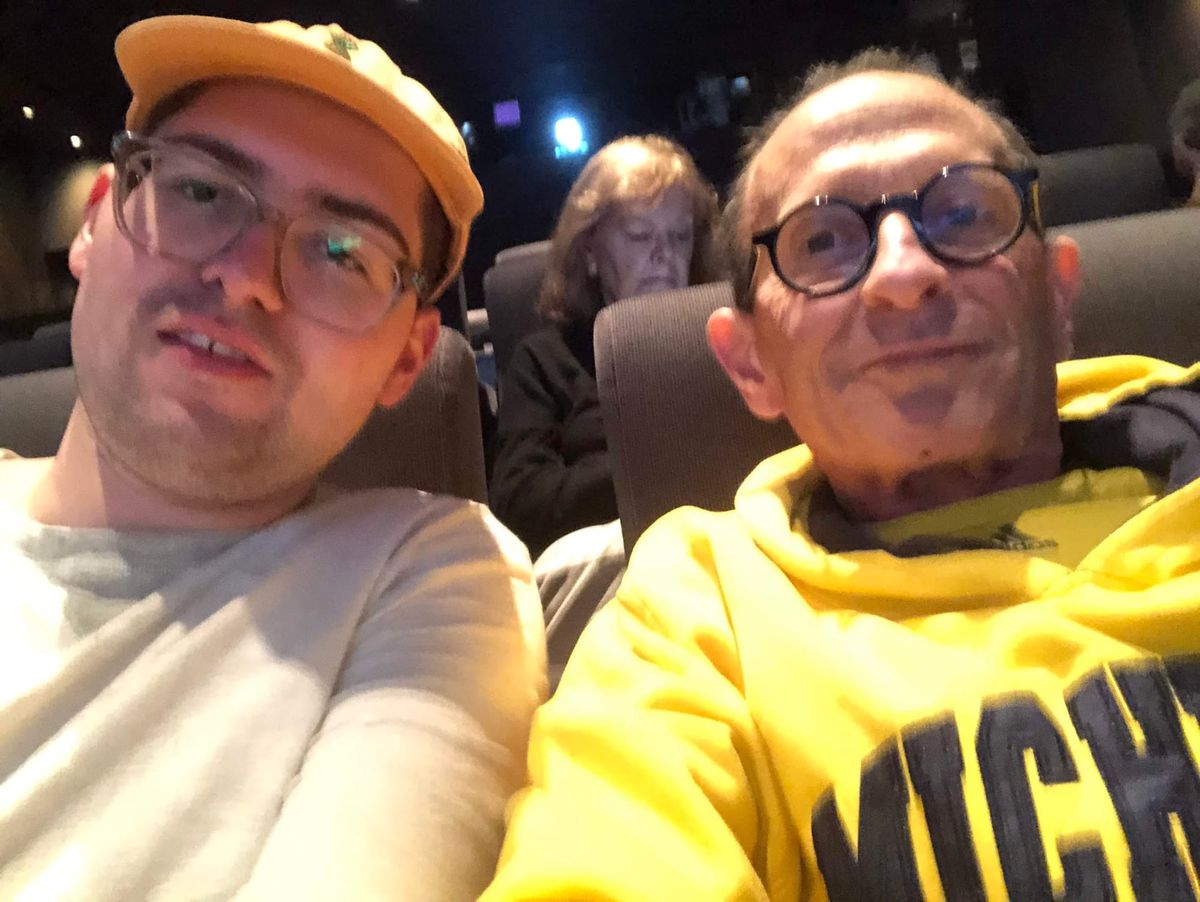
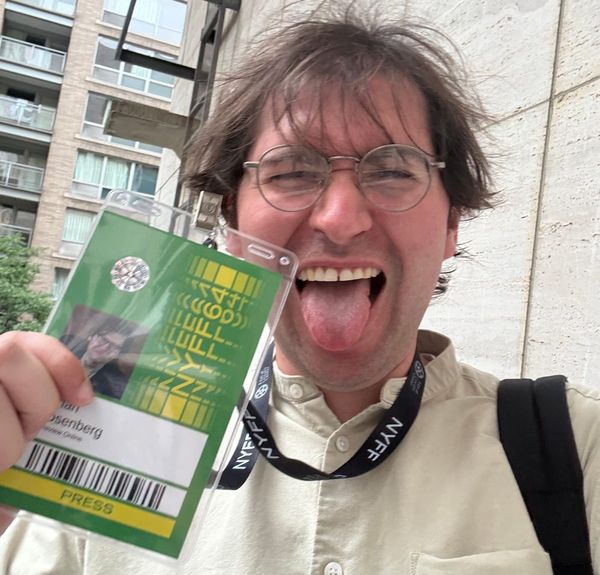
The photo featured here is of my dad and me (and someone else who I hope enjoyed the film) at a screening of An Elephant Sitting Still at Lincoln Center in 2019. He died on October 26th, and while the scope of his life is certainly not confined to the movies he liked, cinema was one of the ways in which we connected most deeply. I remember sitting with him at dinner in Katz’s Deli, watching him describe Werckmeister Harmonies, which he stumbled into practically on accident because there was a rep screening in the town he lived in at the time. “I saw this movie, he said. "It's in black and white. It’s about a whale." The shattered pieces really lit up my imagination: fingering through the rolodex in my mind of the movies I'd seen, sorting through images and titles until we found out together what the film was called. A moment like that was Ron at his best. Intentionally or not, he gave you the intellectual parts to put together yourself, and allowed you to bask in the accompanying sense of accomplishment.
My grieving has been and will continue to be done largely off of the Internet, yet I figured it worthwhile to take the time to share brief reflections on some of his favorite movies. He was a complicated, troubled man, but his cinephilia directly inspired my own—I owe my life as critic to him. If you’ve ever enjoyed a piece of mine, it’s because he taught me that movies could be looked at and appreciated as critical objects.
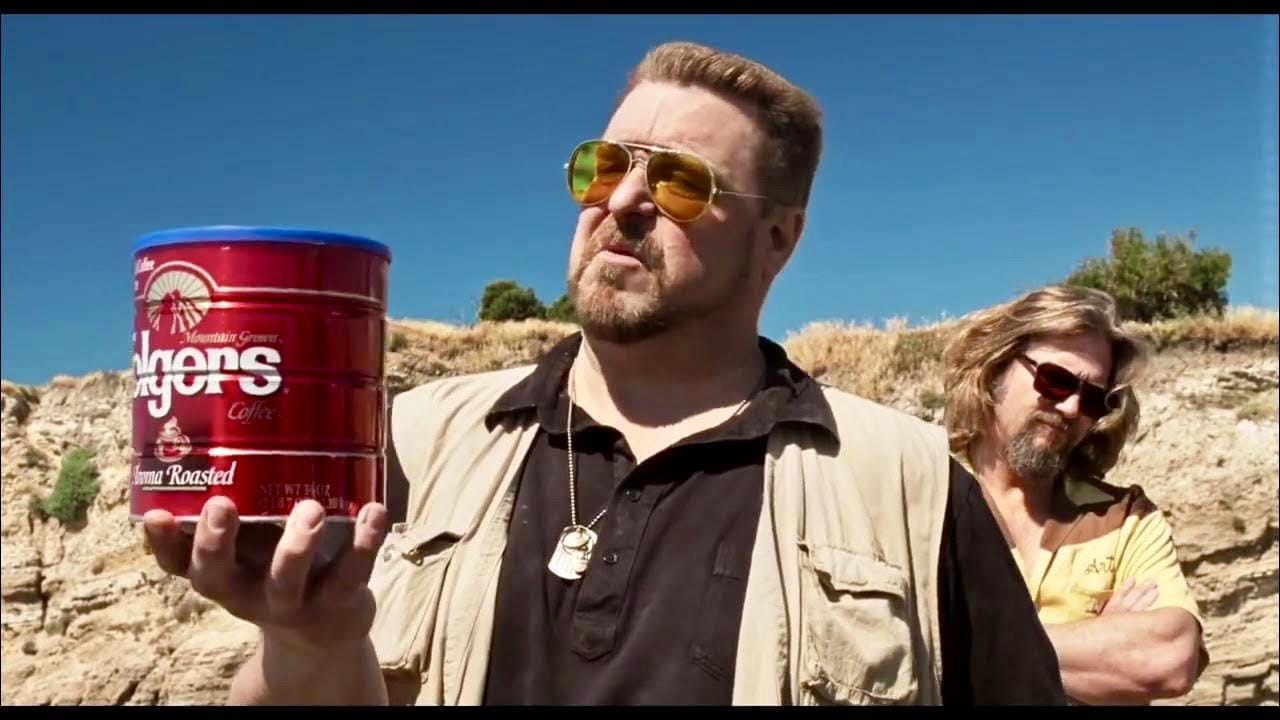
The Big Lebowski
This was probably the first R-rated movie I saw, and I watched it with my dad constantly. I think today about its frank and funny depiction of death, particularly in the ash-scattering scene. The Coens managed to find some comic sublimity with that, blending real grief with the inveterate goofiness of the Walter character--deeply honest stuff. My dad loved the film, and today I see its wisdom.

Apocalypse Now
I couldn’t tell you the number of times my dad woke my sister and me up to the sound of the vacuum and a shout of “I love the smell of Napalm in the morning!” Apocalypse Now's supersized, emotionally heightened vision of Vietnam fascinated my dad (he very narrowly avoided the draft and was preoccupied with the war his entire life), but he also saw within it a microcosm of life's inherent madness. He saw clarity in Coppola's vision, and he listened to "Ride of the Valkyries" on his way to work nearly every day.
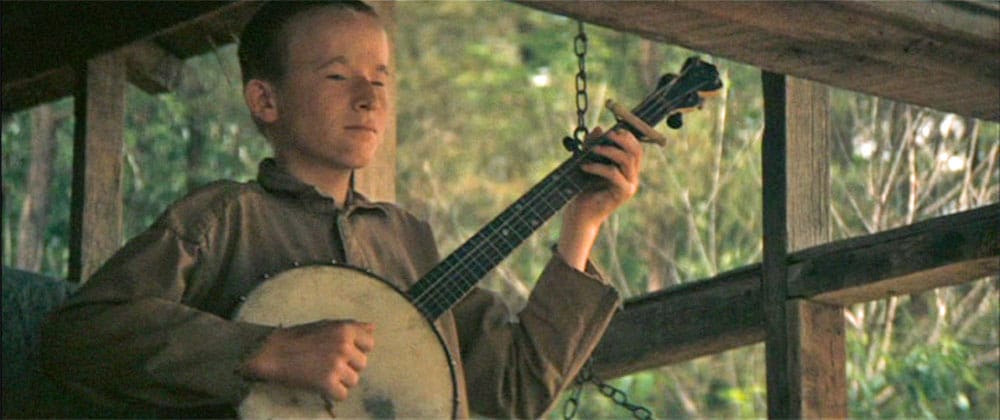
Deliverance
Deliverance is a tricky one because I think it reinforced some of the condescending views my dad held about Appalachia, but it is a great thriller, and I’ll never forget watching it on a laptop while driving through Appalachia to a vacation in South Carolina. He was quite fond of the "squeal like a pig" line, for better or worse, and he found any excuse to use it. (It was also on this trip that my dad picked up and gifted me a DVD of Apocalypse Now at a Walmart quite literally in the middle of nowhere.)
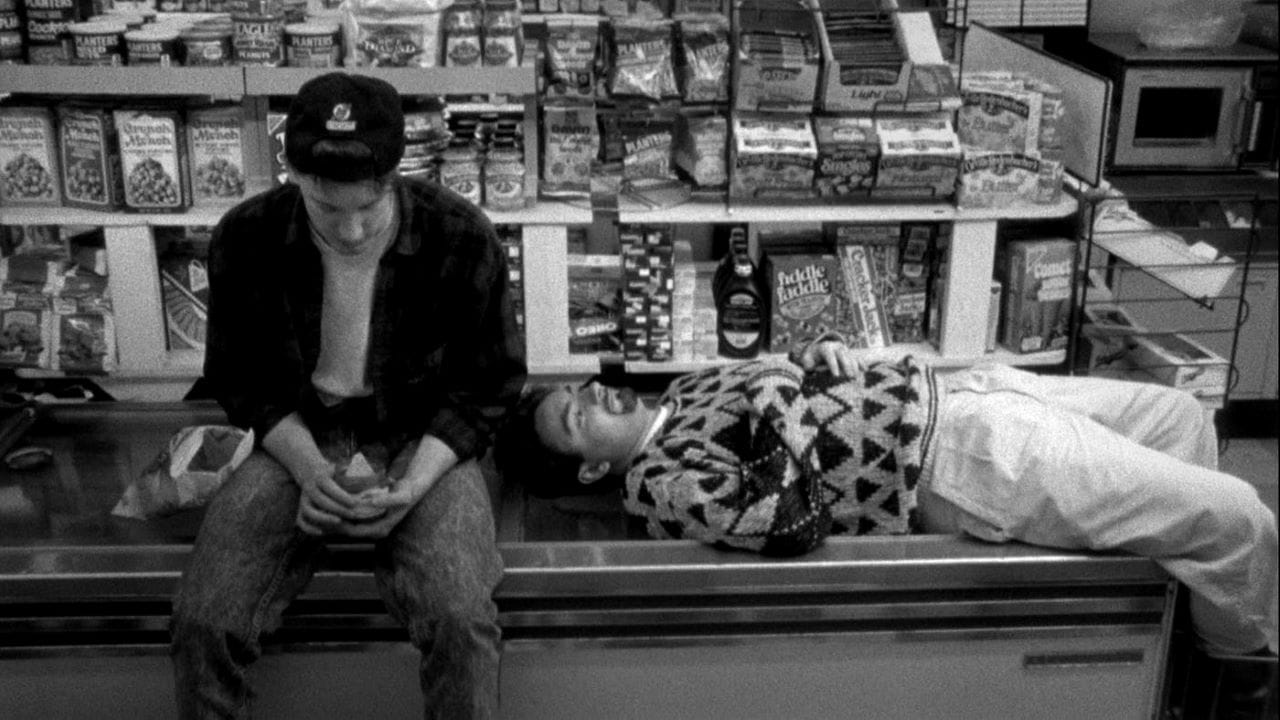
Clerks
Clerks totally embodies my dad’s sense of humor, which is to say juvenile, perverted, and littered with pop culture references. But Clerks is also more than the sum of its jokes: it’s a prime example of American neorealism, a quality my dad admired even if he wasn’t able to fully articulate it. The humor is a gateway into a serious reckoning with late 20th century working-class ennui, the sigh of a century’s end rendered as a fart.
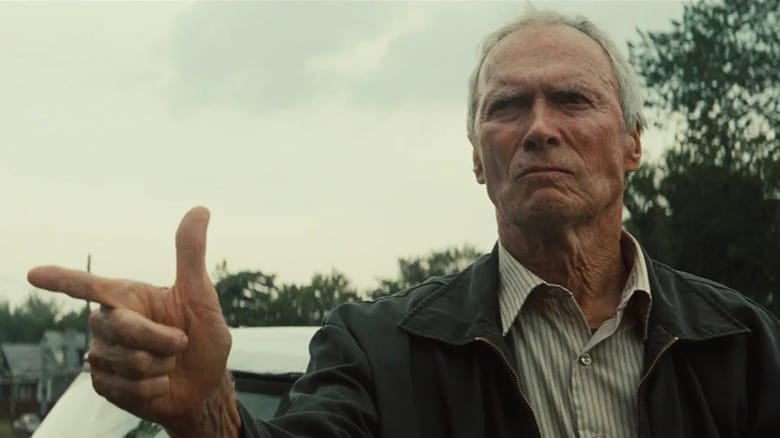
Gran Torino
My dad and I saw Gran Torino together opening weekend and bawled our eyes out over its ending. It’s an elegy for the death of a way of life, but with a glimmer of hope that the tenants of that way will continue to survive in new and unexpected ways. Nobody lived like my dad, and I aim to emulate his iconoclastic yet compassionate nature in my own life.
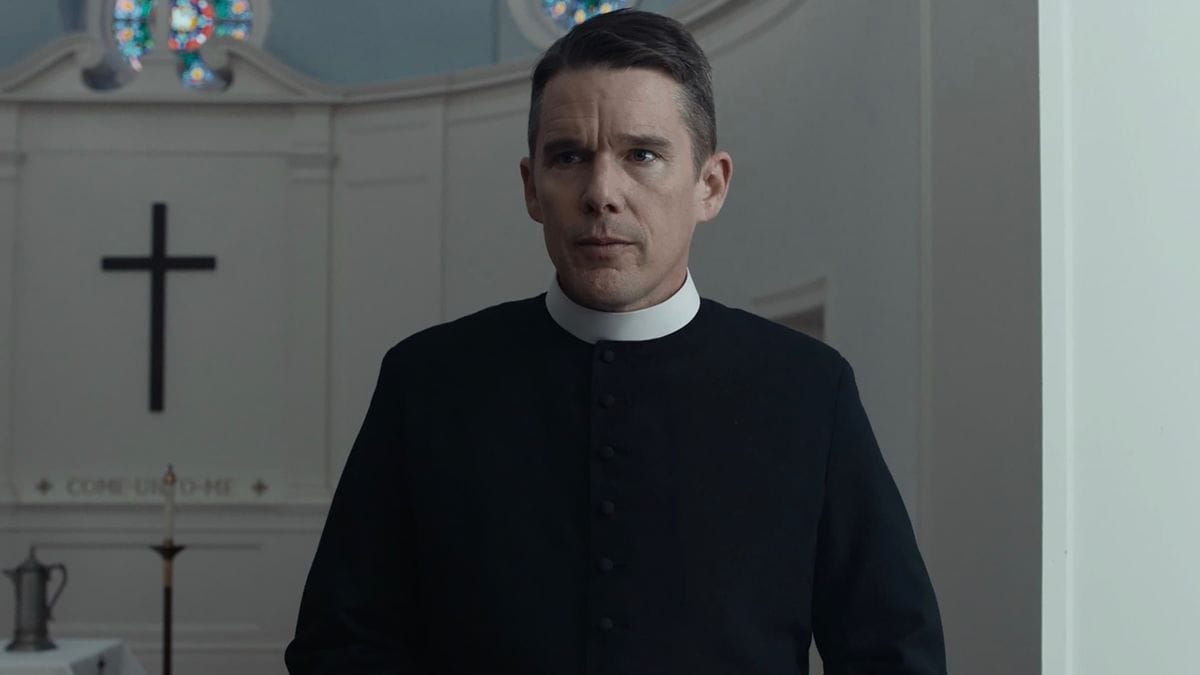
First Reformed
The last movie we saw together I remember my dad truly out-and-out loving. He loved it so much, he wanted Paul Schrader’s email address to ask him about it. My dad wasn’t particularly tech literate, so he didn’t know he could’ve just posted on Schrader’s Facebook page and likely would've gotten a response. It is perhaps for the better that he didn't: the film's power lies mostly in what is represented pictorially, not in what’s said. My dad responded to Reverend Toller's crisis of faith, and his mortal concern with a world on fire; he was a spiritual wanderer himself, having been born Jewish, considered the rabbinate, converted to Christianity, and then returned to Judaism toward the end of his life.
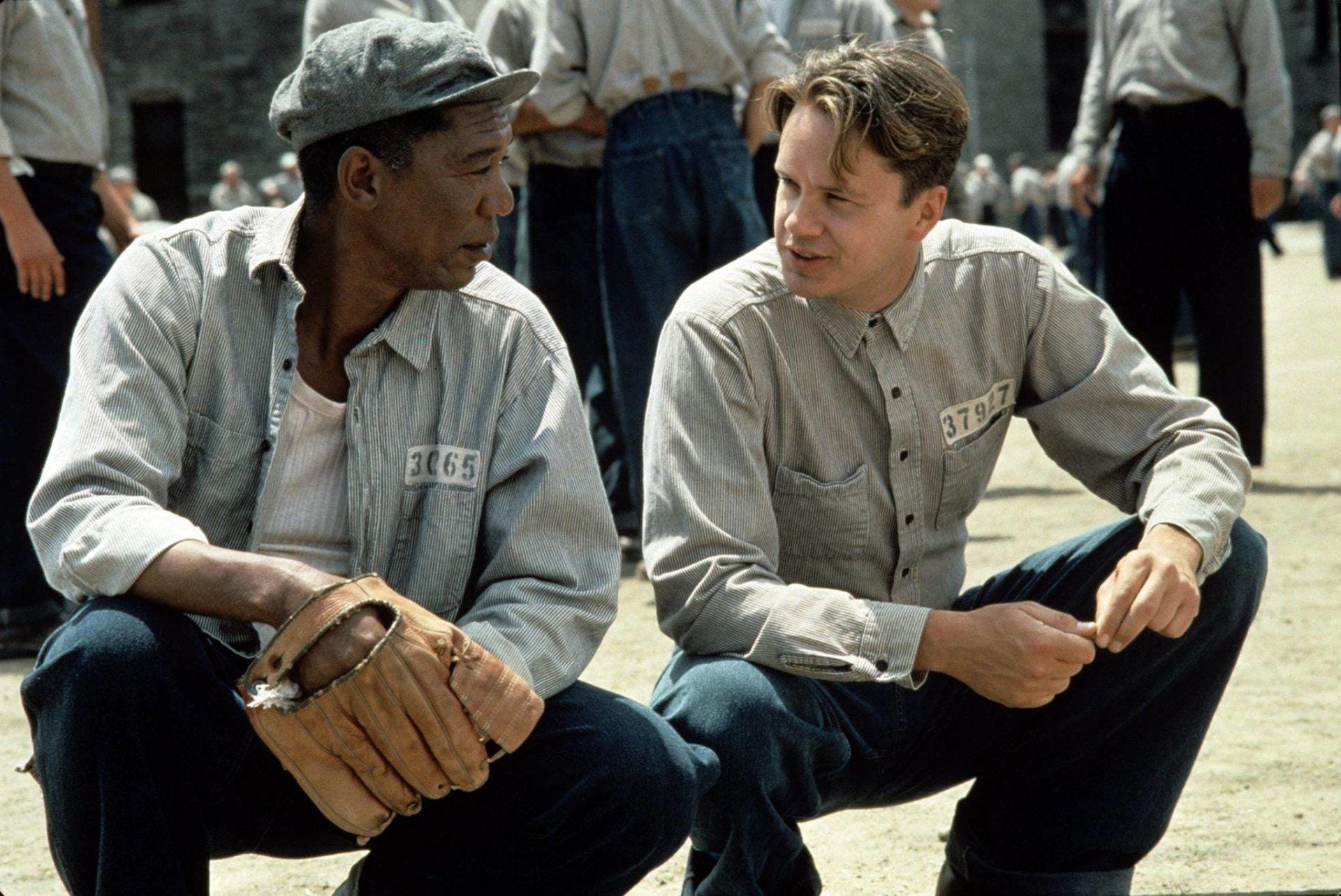
The Shawshank Redemption
This wasn’t really a favorite of his, but he saw it more than any other movie because he lost the remote to the TV in front of his elliptical trainer and at the time AMC was playing it 24/7 for like two weeks straight.
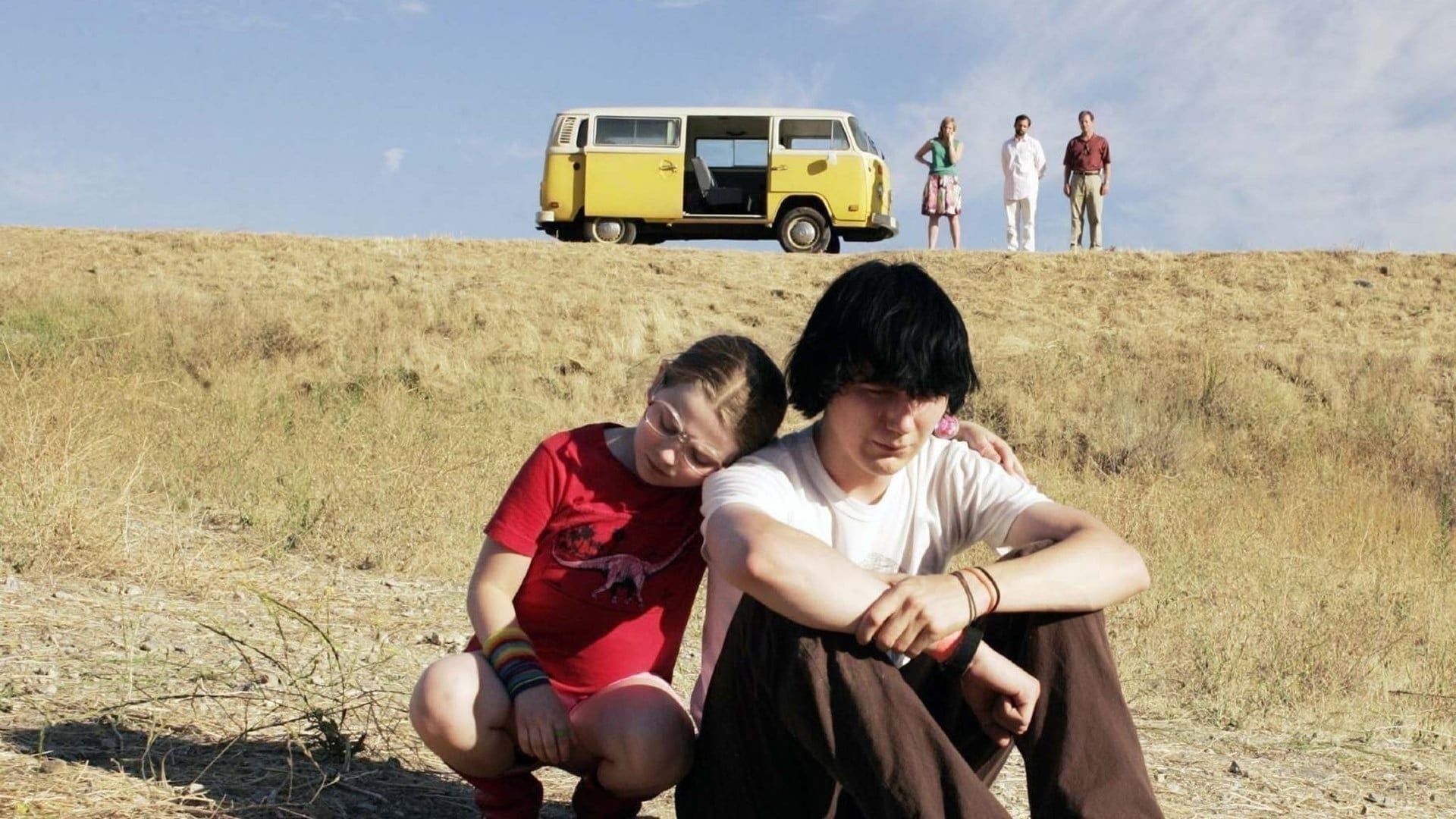
Little Miss Sunshine
Now this one he did intend to see multiple times, although it was on the heels of a traumatic brain injury and he mostly went back to the theater again and again because he enjoyed it so much yet couldn’t remember what happened in it. He talked most about grandpa Edwin's irreverence, but I also think he connected to its sentimental view of a fractured yet caring family unit.
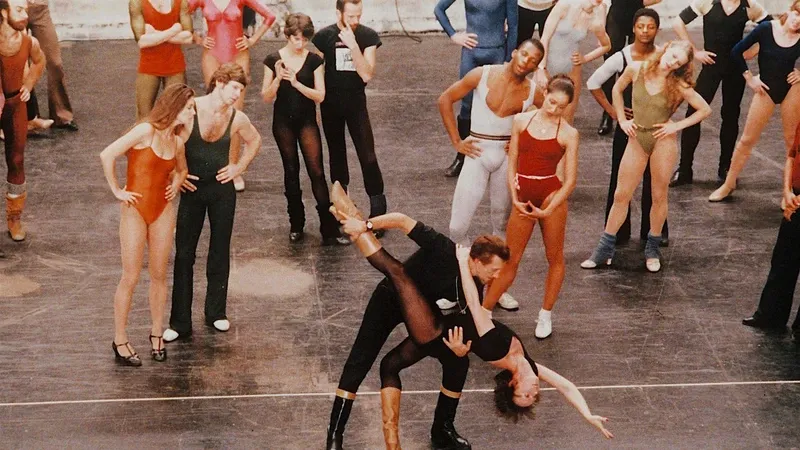
All That Jazz
When I was just getting into movies, I asked my dad what his favorite was, and he told me it was All That Jazz. I can see why--a manic-depressive artist, a head-on reckoning with death and the meaning of life, and glorious music. We never watched it together, but we didn’t need to. I knew then as I know now All That Jazz reflected his orientation toward life better than any other. Any other except for one.
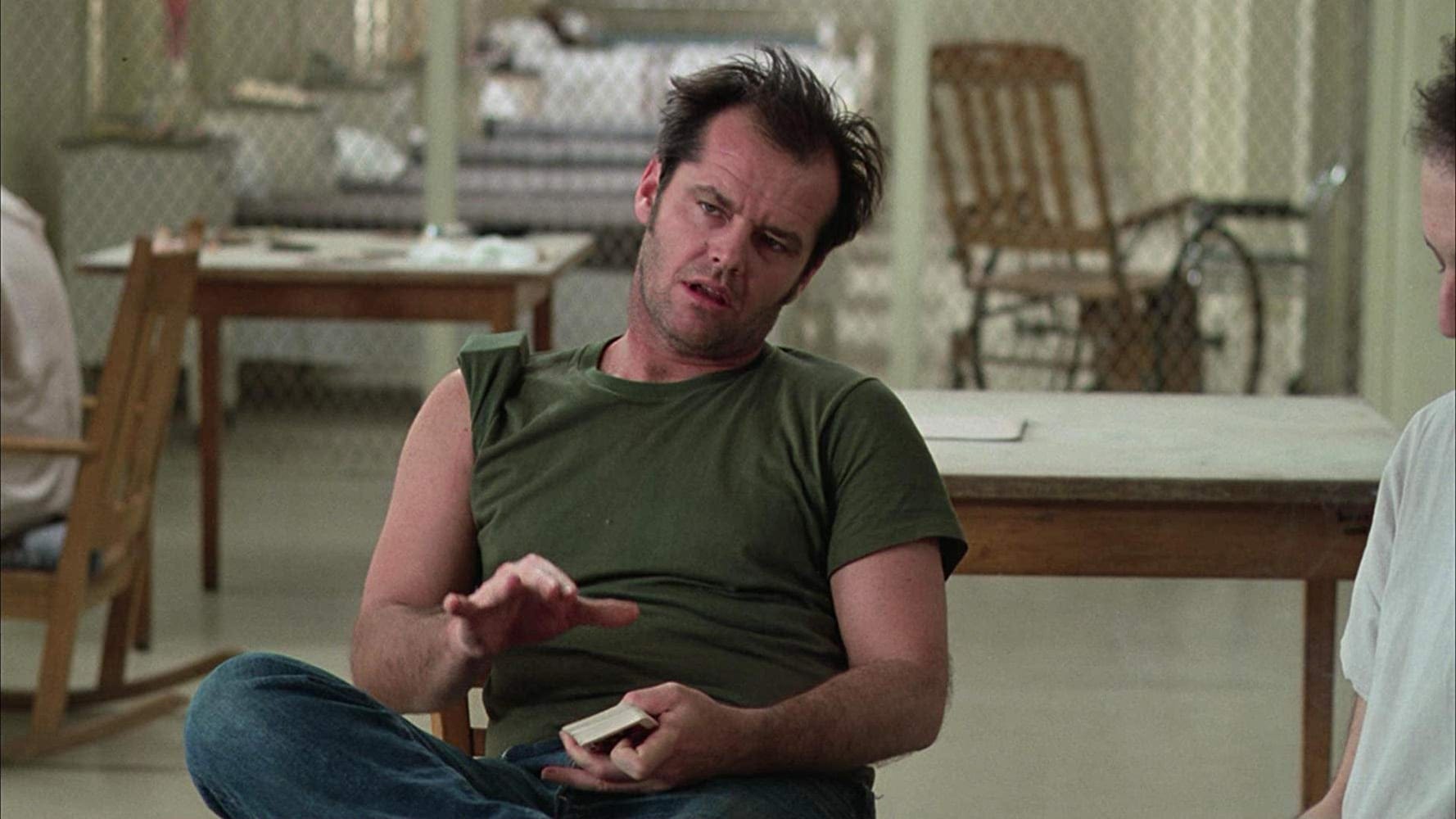
One Flew Over the Cuckoo’s Nest
There is no movie more Ron than One Flew Over the Cuckoo’s Nest. It is his ur-text: psychiatry, rebellion, the experience of being an outsider in a world unkind to misfits. He saw himself in Randle P. McMurphy, having lived his own life marred by dissatisfaction. He felt that he lacked control of his own experience as he spun recklessly from Michigan to South Carolina to North Dakota to Arizona, where he lived his final days. McMurphy, too, is a sort of unfulfilled artist, or a preacher without a choir. That is, until he finds his people in the looney bin. In his psychiatric work, and in the colorful characters he treated, I believe my dad found his people. He spoke with such joy about discovering new and more effective treatments, and of the satisfaction he found in helping people. An illustrative quote from him: “Who’s to say the schizophrenic are insane? To them they aren’t insane, we’ve just decided to call them that. How do we know we’re right and they’re wrong?” Question everything, he argued, be open to different perspectives, and march according to the beat of your own drum. My dad may not have smashed through the hospital walls himself, but he taught me that I can.